
Chitwan National Park
NEPAL CULTURAL & WILDLIFE TOURTravel to Nepal: Experience Culture and Wildlife of Nepal
7 Nights / 8 Days
This Wildlife Sanctuary is a preserved area in the Terai Lowlands of south-central Nepal, known for its biodiversity.
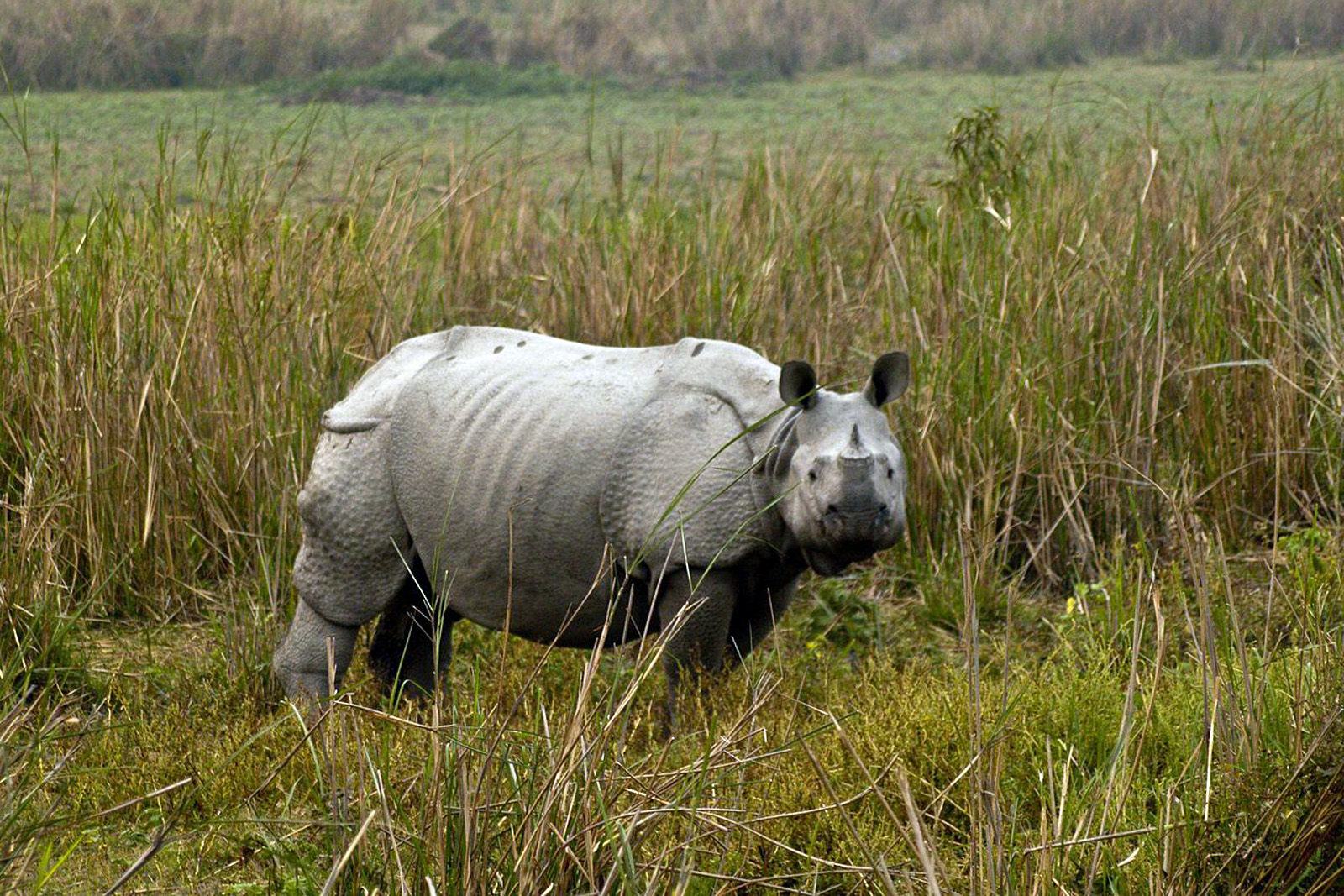
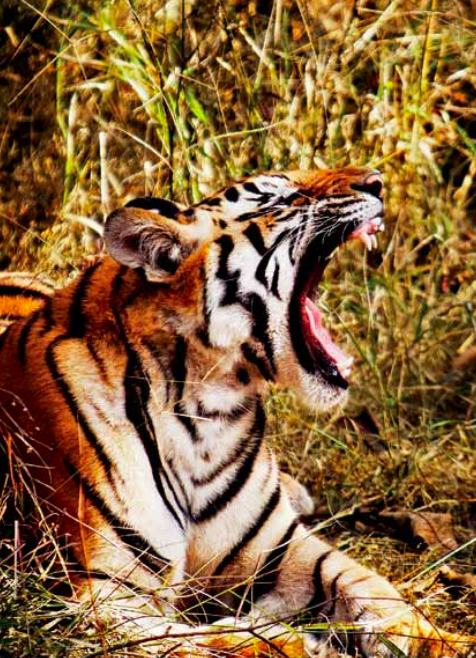
Its dense forests and grassy plains are home to rare mammals like one-horned rhinos and Bengal tigers. The park shelters numerous bird species, including the giant hornbill.
Dugout canoes traverse the northern Rapti River, home to crocodiles. Inside the park is Balmiki Ashram, a Hindu pilgrimage site.
Discover Unlimited Wildlife
Day 01: Arrival in Kathmandu.
Upon arrival at the airport, welcome by our representative & transfer to the Hotel followed by half day sightseeing tour of City.
Swoyambhunath
The four seeing eyes of Swoyambhunath Stupa watch over the valley from the top of
Kathmandu Durbar Square:
This complex of palaces, courtyards and temples, built between 12th and 18th Centuries, used to be the seat of ancient Malla Kings of Kathmandu. It is the place where kings of Nepal are crowned and their coronations solemnized. An intriguing piece here is the 17th century stone inscription set into the wall of the palace with writings in 15 languages. Kumari Temple: Kumari temple is the residence of the Living Goddess. Kumari, known as Virgin Goddess has got some specialties, she must be chosen from a typical Newari cast with
Day 02: Kathmandu
After breakfast, visit Pashupatinath Temple,
Nepal
Boudhanath
Boudhanath is among the largest stupas in South Asia, and it has become the focal point of Tibetan Buddhism in Nepal. The white mound looms thirty-six meters overhead. The stupa is located on the ancient trade route to Tibet, and Tibetan merchants rested and offered prayers here for many centuries. When refugees entered Nepal from Tibet in the 1950s, many of them decided to live around Bouddhanath. They established many gompas, and the “Little Tibet” of Nepal was born. This “Little Tibet” is still the best place in the Valley to observe Tibetan lifestyle. Monks walk about in maroon robes. Tibetans walk with prayer wheels in their hands, and the rituals of prostration are presented to the Buddha as worshippers circumambulate the stupa on their hands and knees, bowing down to their lord.
Many people believe that Bouddhanath was constructed in the fifth century, but definite proof is lacking. The stupa is said to entomb the remains of a Kasyap sage who is venerable both to Buddhists and Hindus. One legend has it that a woman requested a Valley king for the donation of ground required to build a stupa. She said she needed land covered by one buffalo’s skin and her wish was granted by the King. She cut a buffalo skin into thin strips and circled off a fairly large clearing. The king had no choice but to give her the land.
The Bouddha area is a visual feast. Colorful thangkas, Tibetan
Patan Museum:- This museum inside the
Overnight at Hotel.
Day 03 Kathmandu/Chitwan Drive Kathmandu-Chitwan National Park. (180 km / 5 – 6 hrs.)
After breakfast, drive to Chitwan, about 5-hrs drive. Upon arrival at the Lodge welcome & briefing by the naturalist.. After Lunch, either canoe or elephant ride.
Day 04: Chitwan National Park:
A whole day full of jungle activities including Jungle walk, elephant ride, canoe ride, Elephant briefing OR Elephant bathing, Village visit OR Tharu Dance etc. Chitwan National Park is the most famous national park in Nepal. Which offers 450 species of birds including four species of deer, leopard, sloth bear, wild boar & much other wildlife. This park is well known for one horned Rhinoceros & it is a shelter for few Royal Bengal Tigers. Besides this, Chitwan also supports a great variety of flora & fauna. (Exact program in Chitwan can only be confirmed upon guest’s arrival at the resort as itinerary shall depend upon the occupancy in the resort and guest’s arrival/departure time)
Day 05: Chitwan / Pokhara: (175 km / 5 hrs.)
Early in the morning, after breakfast drive to Pokhara takes about 5-6 hours. Upon arrival at Pokhara transfer to the hotel and your rest of the day is free.
Day 06: Pokhara:
If Kathmandu is the cultural hub of Nepal, Pokhara is its center of adventure. An enchanting city nestled in a tranquil valley, it is the starting point for many of Nepal’s most popular trekking and rafting destinations. The atmosphere on the shore of Phewa Lake is one of excited vitality as hipster backpackers crowd the many bars and restaurants exchanging recommendations on guest houses and viewpoints, both by the lake and above the clouds.
Pokhara is a place of remarkable natural beauty. The serenity of Phewa Lake and the magnificence of the fishtailed summit of Machhapuchhre (6,977 m) rising behind it create an ambience of peace and magic. At an elevation lower than Kathmandu, it has a much more tropical feel to it, a fact well appreciated by the beautiful diversity of flowers which prosper in its environs. Indeed, the valley surrounding Pokhara is home to thick forests, gushing rivers, emerald lakes, and of course, the world famous views of the Himalaya.
The powerful rule of the old kings of Kathmandu, the Lichhavis and the Mallas, held sway over this valley for some time. As these dynasties fell prey to their own troubles, Pokhara Valley and the surrounding hills disintegrated into small kingdoms, frequently at war with each other. These were called the Chaubise Rajya or the Twenty-four Kingdoms. It was among these that Kulmandan Shah established his kingdom. His descendant Drabya Shah was the first to establish Gorkha, home of the legendary Gurkha warriors.
Pokhara is part of a once vibrant trade route extending between India and Tibet. To this day, mule trains can be seen camped on the outskirts of the town, bringing goods to trade from remote regions of the Himalaya. This is the land of the Magars and Gurungs, hardworking farmers and valorous warriors who have earned world-wide fame as Gurkha soldiers. The Thakalis, another important ethnic group here, are known for their entrepreneurship.
Afternoon half day sightseeing tour of Pokhara city.
Phewa Lake
Phewa Lake, the second largest lake in the Kingdom, is the center of all attraction in Pokhara. It is the largest and most enchanting of the three lakes that add to the resplendence of Pokhara. Here, one can sail or row a hired boat across to the water or visit the island temple in its middle. The eastern shore, popularly known as lakeside or Baidam, is the favorite home base for travellers and is where most of the hotels, restaurants and handicraft shops are located.
Seti Gandaki
Another of Pokhara’s natural wonders that unfailingly interests visitors is the Seti Gandaki river. Flowing right through the city, the boisterous river runs completely underground at places. Amazingly, at certain points the river appears hardly two meters wide. But its depth is quite beyond imagination over 20 meters! Mahendra Pul, a small bridge near the old Mission Hospital, provides a perfect view of the river’s dreadful rush and the deep gorge made by its powerful flow.
Barahi Temple
The Barahi temple is the most important monument in Pokhara. Built almost in the center of Phewa Lake, this two-storyed pagoda is dedicated to the boar manifestation of’ Ajima, the protesters deity representing- the female force Shakti. Devotees can be seen, especially on Saturdays, carrying male animals and fowl across the lake to be sacrificed to the deity.
Day 07 Pokhara/ Kathmandu(200
After breakfast, drive to Kathmandu. Evening Free & Overnight Hotel.
Day 08 Kathmandu Departure
After breakfast morning free at leisure, in time transfer to Tribhuvan Intl. Apt to connect departure flight.
More Places
What are you waiting for?